




By Miriam Pepper
The story of Afghanistan known by most Americans is of war and conflict. But the protracted American presence has brought more than boots on the ground. To USAID, the lesser known story is what’s happened as a result of U.S. and other international investments in health and education.
That story has life expectancy lengthening by 20 years, from 42 to 62, and vastly more accessible basic health care leading to dramatically lower maternal deaths and lower child mortality.
The stats:
-
In 2002, only 900,000 boys were in school and virtually no girls. Now approximately 8,000,000 students, more than a third of them girls.
-
Since the departure of the Taliban, the health care system has expanded dramatically, and life expectancy increased from 42 years in 2002 to over 62.
-
Child mortality rate decreased from 172 deaths per 100,000 to 97.
-
Maternal mortality ratio declined from 1,600 per 100,000 births to 327.
-
The number of primary health care facilities increased from 498 in 2002 to more than 1,970 in 2010.
-
200,000 women and girls have been through high school or college. And many more women are now employed.
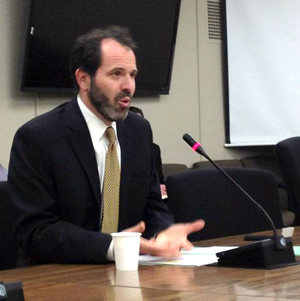 Alex Thier (left), assistant to the administrator for the Office of Afghanistan and Pakistan Affairs in the U.S. Agency for International Development, briefed 20 Association of Opinion Journalists members on April 29. He told a remarkable story that offers hope for the future as the military effort winds down: Afghanistan has made more progress on a percentage basis since 2000 than any country in the world.
(Of course, huge percentage gains do indicate just how grim things were at the start.)
The entire development budget for Afghanistan over the last decade equals the cost of four to six weeks of the military campaign, Thier said: “Continuing this investment will greatly diminish the likelihood of Afghanistan becoming fragile.”
Coming soon from USAID is a “Promote” campaign, pledging a $300 million investment over five years for Afghan women. It will focus on women in the economy, women entrepreneurs, access to credit for women, and women’s leadership development.

To Thier, the greatest hope for Afghanistan lies with the increasingly educated and tech-savvy youth who see a path forward. He suggests that this youth contingent, along with better educated and employed women, and upgraded infrastructure should help keep Afghanistan from slipping backward after troops depart.
One can hope he’s a better prognosticator than others who are far more pessimistic.
Miriam Pepper is vice president for the editorial page of the Kansas City Star and vice president (president-elect) of AOJ.
Photo by Carolyn Lumsden (c) 2013



